
Reknown for surfing
Surfing and Surfing Culture in Jeffreys Bay, South Africa: In-Depth Guide
Jeffreys Bay, located in South Africa’s Eastern Cape, is renowned for its world-class surfing conditions and vibrant surf culture. It features some of the longest and most consistent right-hand point breaks globally, attracting surfers of all levels. The town’s iconic waves, such as those at Supertubes, make it a key destination for both professional surfers and those eager to learn.
Beyond the waves, Jeffreys Bay offers a unique mix of laid-back coastal lifestyle and a tight-knit surf community. The local culture reflects a deep connection to the ocean, with events and gatherings that celebrate surfing’s history and its ongoing evolution. This blend of natural beauty and cultural richness makes Jeffreys Bay more than just a surf spot—it is a hub where surfing shapes everyday life.
Overview of Jeffreys Bay as a Surfing Destination
Jeffreys Bay is recognized globally for its consistent and high-quality surf breaks. It combines excellent natural conditions with accessibility and a strong local surfing culture. This makes it attractive to surfers of all skill levels and a significant part of South Africa’s coastal tourism.
Location and Accessibility
Jeffreys Bay is located on the southeastern coast of South Africa, in the Eastern Cape province. It lies about 75 kilometers southwest of Port Elizabeth, a major city that serves as the closest international airport. This proximity makes Jeffreys Bay easily reachable for domestic and international visitors.
Transport options include regular road connections and shuttle services from Port Elizabeth, facilitating access for tourists and surfers alike. The town itself is compact, allowing quick travel between accommodation, surf spots, and local amenities. This ease of access supports its popularity as a surfing hub.
History and Transformation
Originally a small fishing village, Jeffreys Bay transformed over decades into an internationally known surfing destination. The breakthrough came as surfers discovered its long, fast right-hand point break, ideal for extended rides. This wave gained prominence in the 1970s and 1980s.
Since then, the town has evolved with new infrastructure, surf schools, and events like the annual World Surf League tour stop. The growth of tourism has diversified Jeffreys Bay’s economy, balancing surf culture with hospitality and retail sectors.
Role in South Africa’s Surf Scene
Jeffreys Bay is considered a cornerstone of South Africa’s surfing identity. Its waves are often ranked among the best in the country, attracting both professional and amateur surfers. The consistency and quality of the surf here have helped elevate South Africa’s reputation in the global surfing community.
Beyond the waves, Jeffreys Bay fosters a vibrant surf culture that includes competitions, local businesses, and community programs. It serves as a training ground for South African surfers and a destination that influences surf styles and trends nationally.
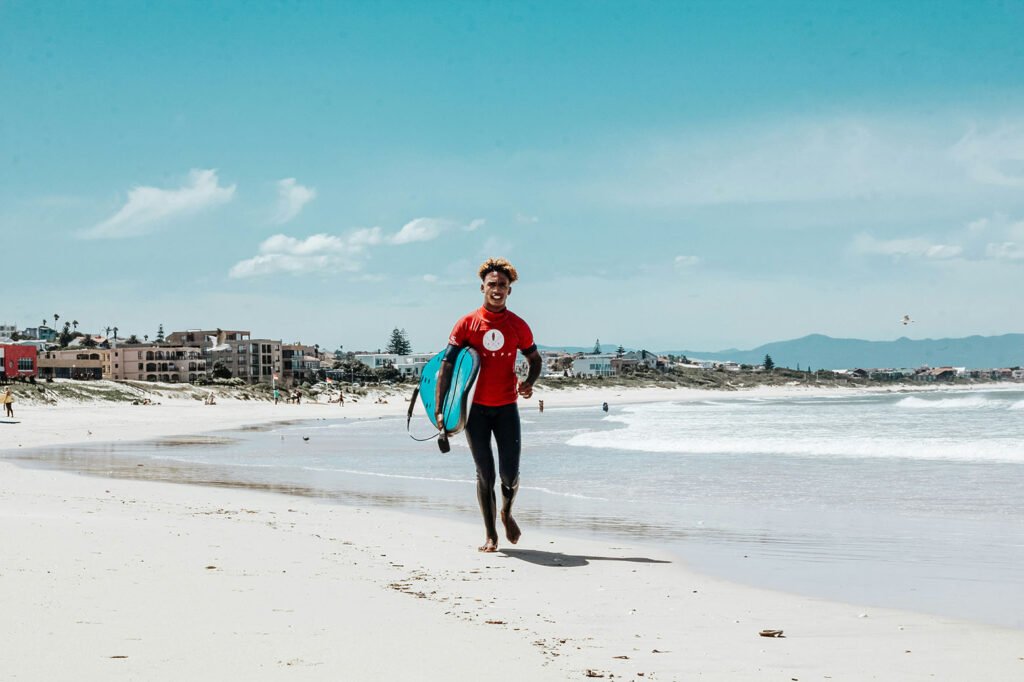
Word class surfing
World-Famous Waves and Surf Breaks
Jeffreys Bay is renowned for its consistent, long, and fast right-hand waves that attract surfers worldwide. The main surf spots here vary in wave size, shape, and difficulty, each offering unique challenges suited to different skill levels.
Supertubes and Its Reputation
Supertubes is the most famous surf break in Jeffreys Bay, often regarded as one of the best right-hand point breaks globally. It produces fast, hollow waves that can barrel for long distances, sometimes over 300 meters, providing extended rides for skilled surfers.
The wave at Supertubes is powerful and demands precision, especially in the barrel section. It is a favorite stop on the professional World Surf League (WSL) tour due to its challenging conditions and consistent quality. The break is best between May and September when the southern swell is strongest.
The Point and Kitchen Windows
The Point is known for generating longer, more manageable rides and is suitable for intermediate surfers looking for smooth, fast waves. It breaks over a sandy bottom and offers less intense barrels compared to Supertubes but still provides excellent rides that can extend for hundreds of meters.
Kitchen Windows is located just inside The Point and offers a slightly smaller wave. This spot is ideal for surfers wanting a less demanding wave while still experiencing J-Bay’s renowned right-hand breaks. Its mellow nature makes Kitchen Windows appealing to a wide range of surfers.
Tubes and Other Notable Spots
Tubes, as the name suggests, is known for its powerful, barreling waves. It is more technical and suited for experienced surfers who seek intense, hollow waves that break closer to the shore. Tubes is less consistent than Supertubes but is prized when conditions align.
Other notable spots include Magna Tubes and Boneyards, both offering faster, powerful waves during large swells. These breaks tend to be less crowded and are favored by local surfers during off-peak conditions. Together, the spots create a diverse surfing environment in Jeffreys Bay.
Wave Conditions and Best Time to Surf
Jeffreys Bay offers consistent, quality waves suited to various skill levels, influenced by seasonal swells, wind patterns, and water temperatures. Swells from the southwest produce the famous long right-hand point breaks, while wind and water conditions require specific preparations to maximize the surf experience.
Seasonal Swells and Weather Patterns
The prime surfing season runs from May to September, aligning with South Africa’s winter months. During this period, southwest swells arrive consistently, creating powerful, clean waves that can extend for hundreds of meters.
Wave size generally increases in winter, making the conditions ideal for advanced surfers seeking barrels and speed. Summer months see smaller, less consistent swells but warmer air temperatures, attracting beginners and those preferring milder waves. Surf conditions can vary daily, so monitoring forecasts for swell direction and size is essential.
Impact of Offshore Winds
Offshore winds play a critical role in shaping wave quality at Jeffreys Bay. Predominantly westerly or northwesterly winds during the winter create clean, hollow waves by blowing offshore, smoothing the wave face and allowing for longer rides.
When winds shift onshore or become gusty, waves tend to crumble and lose shape. Ideal wind conditions usually occur in the mornings and late afternoons, improving surf performance. Surfers should plan sessions around wind patterns to maximize rideability, especially at spots like Supertubes and Magnetubes, which depend heavily on calm offshore winds.
Water Temperatures and Wetsuits
Water temperatures at Jeffreys Bay remain cool year-round, typically ranging from 16°C (61°F) in winter to around 20°C (68°F) in summer. This requires most surfers to wear wetsuits for comfort and protection.
A 3/2mm wetsuit is standard gear during the colder months from May to September. In the warmer months, some may opt for thinner suits or just boardshorts, although a wetsuit top is still advisable for extended sessions. Consistent cold water means wetsuit use remains common even during the summer, especially for less tolerant surfers.
Surfing Levels: From Beginners to Advanced Surfers
Jeffreys Bay offers a range of surf spots suited to different skill levels. The varying wave types and ocean conditions make it a versatile destination, welcoming everyone from new surfers to seasoned riders seeking challenging barrels.
Spots for Advanced Surfers
Advanced surfers target Supertubes, known for its fast, hollow, and long right-hand waves. This world-class wave offers powerful barrels that demand precise timing and control. It breaks over a reef and rock bottom, so expert knowledge of the wave is essential.
The Point is another prime location favored by advanced surfers. It produces long rides with consistent, high-quality waves suitable for carving and tube riding. Surfers need strong paddling skills and experience managing crowded lineups.
Kitchen Windows is a challenging, reef-based break and less crowded. It offers punchy waves, best suited for surfers comfortable with fast sections and the consistency of reef breaks.
Options for Intermediate Surfers
Intermediate surfers can explore sections of Jeffreys Bay that feature more forgiving waves but still allow for skill progression. Areas near the main point offer smaller, less powerful waves, allowing surfers to practice turns and wave selection.
Many choose spots with sandier bottoms for safer falls. These spots provide sometimes slower and more manageable waves, helping intermediates build confidence and develop their style.
Intermediate surfers benefit from moderate swell conditions when waves are smaller but still peel nicely along the shoreline, improving board control and paddling efficiency.
Beginner-Friendly Locations
Beginners find gentle, rolling waves at designated areas away from the main reef breaks. These waves break more softly over sandy bottoms, reducing risk and allowing learners to focus on basics like paddling, standing up, and balancing.
Several surf schools operate in Jeffreys Bay, offering lessons on safer beaches with less crowded lineups. Beginners are encouraged to use foam boards before progressing to harder boards.
Wide stretches of beach near the town serve as perfect spots for first timers to catch unbroken waves and learn surf etiquette before moving to more challenging locations.
Surf Schools, Guides, and Rentals
Jeffreys Bay offers a well-structured surfing environment with quality instruction, guided sessions, and gear availability. These services cater to all skill levels, making the destination accessible to beginners as well as experienced surfers aiming to improve or explore local breaks.
Professional Surf Schools
The town is home to several established surf schools, including the Jeffreys Bay Surf School, founded in 2000 and led by highly qualified instructors. These schools provide lessons tailored for all ages and abilities, from first-timers learning balance to advanced surfers refining technique.
Instructors often hold certifications from recognized bodies like Surfing South Africa and the International Surfing Association. Lessons emphasize safety, wave knowledge, and skill progression, supported by video analysis in some schools. Surf camps and group lessons are common, creating an immersive learning experience in a world-class surfing destination.
Surf Tours and Guiding Services
Guided surf tours in Jeffreys Bay help surfers navigate the area's renowned waves, including lesser-known spots suited to specific skill levels. Guides provide insights into local conditions, tides, and optimal timing for each surf break.
These services extend to personalized coaching during tours, allowing surfers to adapt techniques to different wave types. Surf guiding businesses often accommodate groups, enhancing the experience with logistical support such as transportation and equipment handling. This ensures access to Jeffreys Bay's best surf while minimizing uncertainty.
Surfboard and Gear Rentals
Surfboard and wetsuit rentals are widely available, catering to visitors who prefer not to travel with bulky equipment. Rental shops provide a range of boards, from soft-tops for beginners to high-performance shortboards for advanced surfers.
Gear is regularly maintained to meet safety and performance standards. Some surf schools include rentals as part of their packages, combining equipment with lessons and guided sessions. This makes Jeffreys Bay a convenient and well-equipped surfing destination for all visitors.
Local Surfing Culture and Community
Jeffreys Bay’s surfing culture is tightly woven into the daily life of this coastal town. Its community revolves around respect for the waves, local traditions, and a shared passion for the ocean. These elements shape how surfers interact, compete, and contribute to J-Bay’s identity as a world-class surfing destination.
Surf Competitions and Events
Jeffreys Bay hosts some of the most significant surfing competitions, including stages of the World Surf League (WSL) Championship Tour. These events attract top international surfers and bring global attention to the long, fast right-hand point breaks that J-Bay is known for.
The annual Billabong Pro J-Bay event is especially prestigious. It showcases high-performance surfing at spots like Supertubes, drawing crowds of spectators and creating a festive atmosphere. These competitions also stimulate the local economy, benefiting businesses and surf-related tourism.
Besides professional contests, there are numerous local surf events promoting youth development and community engagement. These gatherings help foster new talent and encourage respect among surfers of all skill levels.
Etiquette and Local Traditions
Surfing etiquette in Jeffreys Bay is taken seriously. Local surfers expect newcomers to show respect by following both general surfing rules and specific local customs. For instance, priority on the wave, taking turns, and avoiding aggressive behavior are strictly observed.
Many locals avoid crowded surf spots like Supertubes for lessons or group surfing, reserving it mainly for experienced surfers. Beginners typically learn at spots like Kitchen Windows, which are more forgiving and less contested.
Respecting the ocean and local environment is another vital tradition. Surfers often volunteer in beach clean-ups and promote awareness of marine conservation to keep J-Bay’s natural beauty intact.
Influence on Town’s Identity
Surfing is more than a sport in Jeffreys Bay; it is a defining feature of the town’s identity. The global reputation as a premier surf destination brings a steady flow of visitors, supporting local businesses and shaping the town’s economy.
Surf culture influences public spaces, too. Surf shops, cafes, and community centers reflect this connection through their design and activities. The lively beachfront atmosphere stems from the mix of residents, tourists, and surfers who gather daily.
Despite growth from tourism, Jeffreys Bay maintains a strong local community ethos. Many longtime residents balance surf culture with preserving J-Bay’s laid-back, welcoming feel, ensuring the town remains a unique spot on the surfing map.